Food
Zooba: How Egyptian Street Food Went from the Cart to New York City
Cairolive reviews Zooba, the Egyptian restaurant that proved foul and taameya deserve the same respect as sushi and ramen on the international stage.
June 2, 2026•2 min read
Listening is not available in this browser
There is a particular kind of audacity in taking the most common food in Egypt and asking the world to pay attention to it. That is exactly what Zooba did, and it worked.
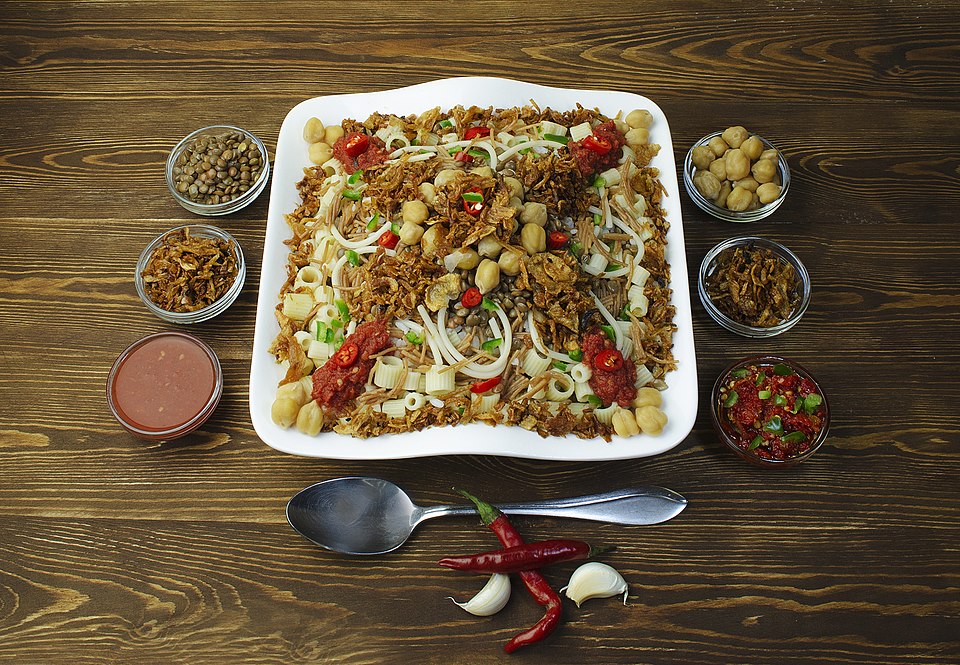
Founded in Zamalek, Zooba's original location is small, bright, and deliberate. The menu reads like a love letter to Egyptian street food: foul medames, taameya, koshari, hawawshi, feteer. But the execution lifts every dish beyond its street-corner origins without losing the soul of the original.
The taameya at Zooba is revelatory. Crisp, herb-packed, served with a tahini that has clearly been labored over. The koshari comes in a precise portioned bowl that makes you reconsider every styrofoam container you have ever eaten from. Even the pickles are treated with respect, arriving as a curated selection rather than an afterthought.
What makes Zooba more than a restaurant is its thesis: Egyptian food is a world cuisine that has been undervalued. The same care that Japanese restaurants bring to ramen, that Mexican restaurants bring to tacos, Zooba brings to foul. The branding reinforces this with playful, contemporary Egyptian design that avoids both kitsch and pretension.
The New York expansion proved the thesis. Zooba in the East Village draws lines around the block from New Yorkers who had never tasted Egyptian food before and now cannot stop.
Cairolive's verdict: Zooba is not just feeding people. It is changing how the world thinks about Egyptian cuisine. Every Egyptian should be proud of what this small Zamalek restaurant has accomplished.