Technology
Digital Revolutionaries: Tech and Social Impact from Egypt to the World
Wael Ghonim used technology to spark a revolution. Dina El-Mofty used entrepreneurship to build one. Together, they represent Egypt's most powerful export: the belief that change is possible.
May 27, 2026•2 min read
Listening is not available in this browser
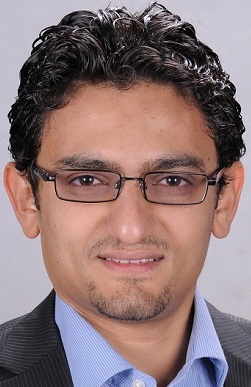
There is a particular kind of courage that comes from seeing a broken system and deciding, not to leave it, but to fix it. Wael Ghonim and Dina El-Mofty both possess it.
Ghonim's story is now part of modern history. As a Google marketing executive in his late twenties, he created the Facebook page "We Are All Khaled Said" that became the digital rallying point for Egypt's 2011 revolution. The page translated private outrage into public action, proving that technology could be a weapon of the voiceless. TIME magazine placed him among the world's 100 most influential people.
But revolutions are not only fought in streets. Dina El-Mofty has been building a quieter, more sustained one. Through Injaz Egypt, she created an infrastructure for youth entrepreneurship that has now reached over 1.5 million young Egyptians. Her programs teach financial literacy, business planning, and the entrepreneurial mindset to students who might otherwise never encounter these concepts.
What makes both stories compelling is their shared origin point: a deep frustration with the gap between Egypt's potential and its reality. Ghonim attacked it with virality. El-Mofty attacked it with curriculum. Both understood that the most powerful revolutions are the ones that change how people think.
Egypt produces engineers, doctors, and entrepreneurs at a remarkable rate. What Ghonim and El-Mofty represent is the rarer export: people who channel that talent toward systemic change rather than personal advancement.